

The Global Message of 21st Century Street Fashion

Table of Contents

In the 21st century, street fashion has evolved into a vibrant medium for self-expression and cultural commentary. Unlike traditional fashion, which often prioritizes seasonal trends and high-fashion exclusivity, street fashion seeks to convey global messages that resonate with a diverse audience. This article explores the reasons behind this phenomenon and its significance in today’s world.

Cultural Fusion and Diversity

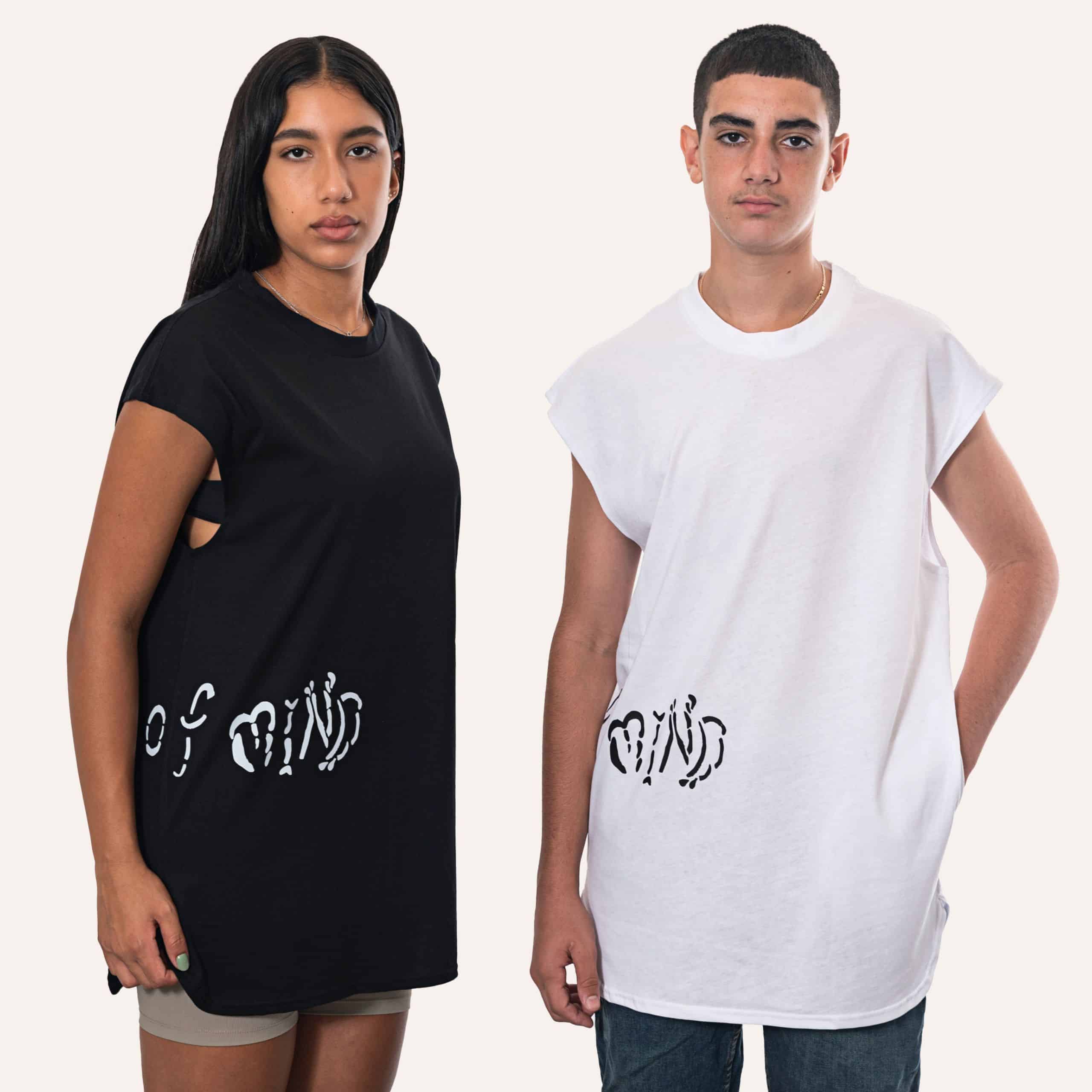
Street fashion is inherently global. It draws influences from various cultures, merging styles, colors, and textures that reflect the world’s diversity. Designers and wearers alike use fashion to celebrate their backgrounds, promote inclusivity, and challenge cultural stereotypes. By embracing multiple influences, street fashion fosters a sense of unity, highlighting shared experiences and perspectives across borders.

Social and Political Commentary

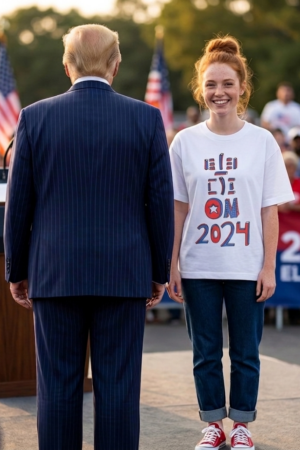
In an era marked by social upheaval and political unrest, street fashion has become a platform for activism. Designers and brands often incorporate messages related to social justice, environmental issues, and human rights into their collections. This trend reflects a growing awareness among consumers who seek to align their fashion choices with their values. Wearing a piece that carries a message can empower individuals to express their beliefs and engage in important conversations.

Digital Connectivity

The rise of social media has transformed the way fashion is disseminated and consumed. Platforms like Instagram and TikTok allow for rapid sharing of street fashion trends, creating a global community of fashion enthusiasts. This interconnectedness enables fashion to transcend geographic boundaries, making it easier for styles and messages to spread quickly. The ability to reach a global audience amplifies the impact of street fashion, allowing it to serve as a vehicle for universal themes and ideas.

Consumer Empowerment

Today’s consumers are more informed and engaged than ever before. They demand authenticity from brands and seek products that reflect their values. Street fashion often prioritizes individuality and self-expression, allowing consumers to curate their identities through what they wear. This empowerment encourages a dialogue about cultural appropriation, sustainability, and ethical consumption, prompting both designers and consumers to be more conscientious in their choices.

Rejection of Traditional Norms

Street fashion often challenges conventional fashion industry norms, embracing nonconformity and rebellion. This rejection of elitism aligns with a broader societal shift towards valuing authenticity over status. As street fashion continues to evolve, it encourages individuals to create their own narratives, fostering a sense of agency and community in a world that can often feel fragmented.

Conclusion

The quest for global messages in 21st-century street fashion reflects a deeper cultural shift towards inclusivity, activism, and authenticity. As individuals increasingly seek to express their identities and values through what they wear, street fashion serves as a powerful medium for connection and change. It is more than just a trend; it is a movement that resonates across cultures and inspires dialogue about the issues that matter most in today’s society.

Choose a SHIRT